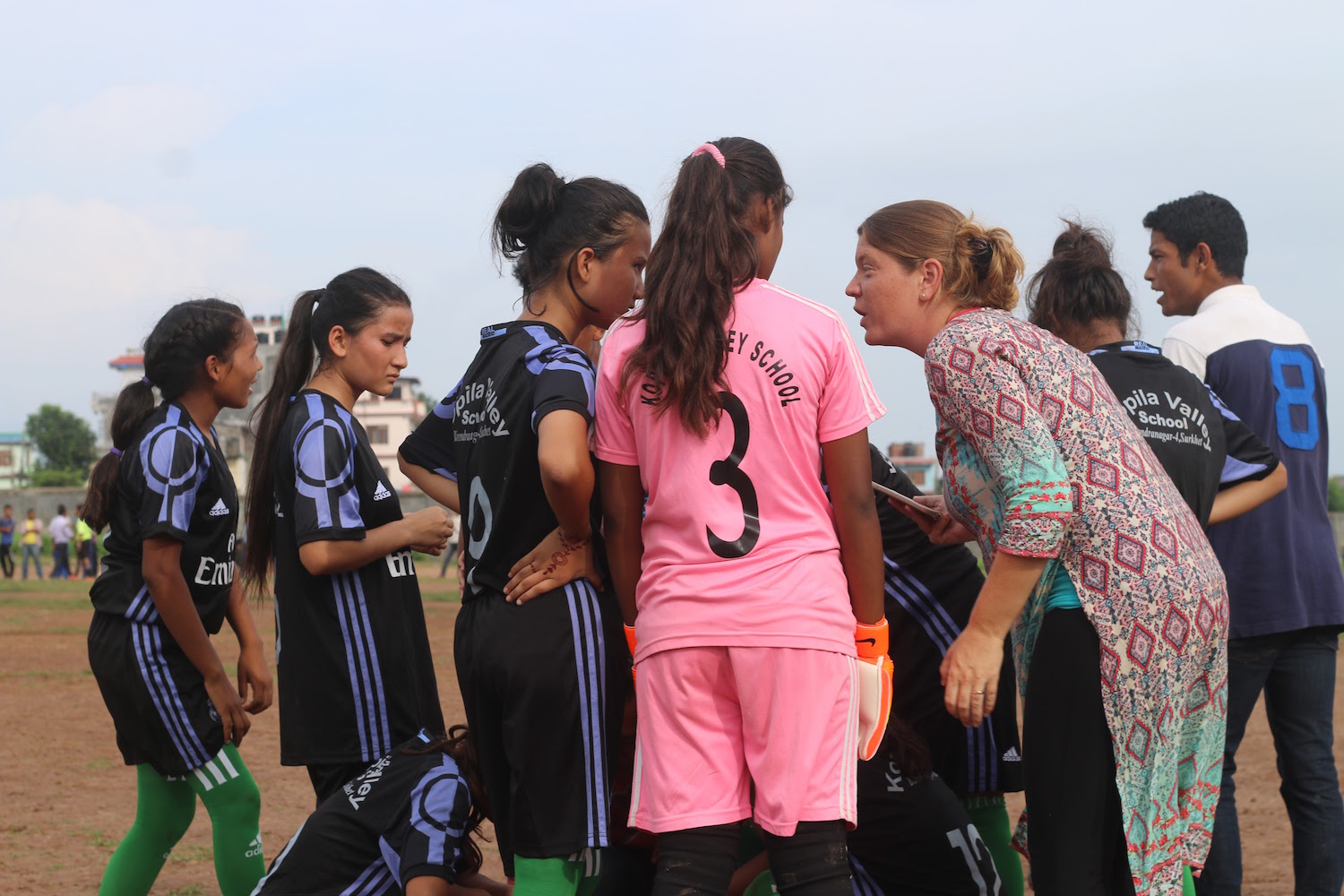

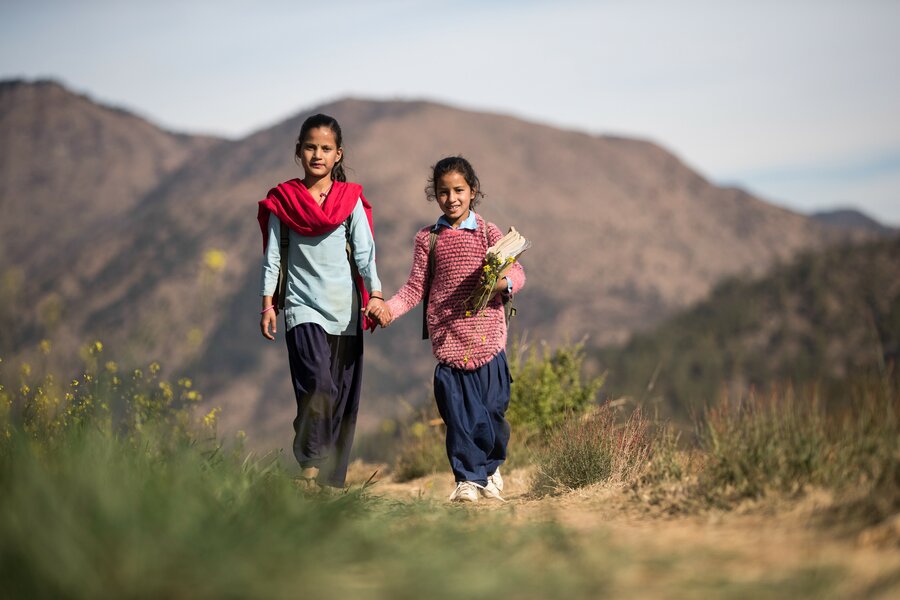
Girls’ education in rural Nepal is a story of both struggle and strength. While education is a basic right, many girls in village communities still face obstacles that prevent them from attending school regularly. Yet, despite these difficulties, progress is happening, and the determination of girls, families, and communities is slowly transforming the future of rural Nepal.
A Historical Overview
For many years, schooling in Nepal was heavily influenced by social norms. Families often believed that educating boys was more important because they were expected to become breadwinners. Girls, on the other hand, were expected to stay home, help with household chores, or marry early. As a result, many girls—especially those in villages—never had the chance to attend school.
However, government programs, awareness campaigns, and community movements have worked to change these attitudes. Today, more families understand that girls’ education benefits everyone.
Challenges Faced by Girls in Rural Areas
Even with growing awareness, girls in village communities still face several barriers:
1. Economic Difficulties
Many rural families struggle financially. Even though public schools are low-cost, they may still require uniforms, books, or transportation. When money is limited, education for girls is often sacrificed.
2. Household Responsibilities
Girls are often expected to help with chores such as cooking, collecting firewood, caring for younger siblings, or working in fields. These responsibilities can make it difficult to attend school regularly.
3. Distance and Safety
In some villages, the nearest school may be far away. Long walking distances can be unsafe or tiring, causing families to keep girls at home.
4. Early Marriage
Although the legal age for marriage is higher, some communities still follow early marriage practices. When girls marry early, their education often ends.
5. Limited Facilities
Some schools lack proper bathrooms, sanitary products, or safe spaces for girls. This can cause many girls, especially teenagers, to miss school.
Progress and Positive Changes
Despite these challenges, Nepal has made significant progress:
1. Community Awareness Programs
Local NGOs, youth groups, and women’s organizations run campaigns to show families the benefits of girls’ education—such as better health, income, and leadership opportunities.
2. Scholarships and Support
The government and various organizations offer scholarships, free textbooks, and uniforms to encourage families to keep girls in school.
3. More Schools in Rural Areas
New schools and improved infrastructure mean that many girls no longer need to travel long distances.
4. Female Teachers as Role Models
When girls see female teachers, they gain confidence and feel safer in school. This helps increase attendance.
5. Changing Mindsets
Slowly but steadily, cultural attitudes are shifting. Many parents now believe that educating daughters is as important as educating sons.
The Impact of Education on Girls’ Lives
When girls in rural Nepal receive an education, the benefits spread across families and communities:
-
They gain better job opportunities.
-
They marry later and make more informed decisions about their lives.
-
They help improve the health and well-being of their families.
-
They become leaders in their communities.
-
They inspire younger girls to stay in school.
Education empowers girls to build brighter futures not only for themselves, but for the entire nation.
What the Future Holds
While challenges remain, the future of girls’ education in rural Nepal is filled with hope. Continued support from communities, the government, and young people will help ensure that every girl—no matter where she lives—gets the opportunity to learn, grow, and achieve her dreams.
With determination, awareness, and investment, Nepal can build a society where girls’ education is not the exception but the norm.