
Girls’ Education, Health, and Food in the Villages of Nepal
Nepal is a country of rich culture and natural beauty, but many villages still face serious challenges, especially when it comes to the lives of girls. Education, health, and food are three closely connected areas that strongly affect girls’ development and the overall progress of rural communities. Improving these areas can help not only girls, but entire families and future generations.
Girls’ Education in Rural Nepal
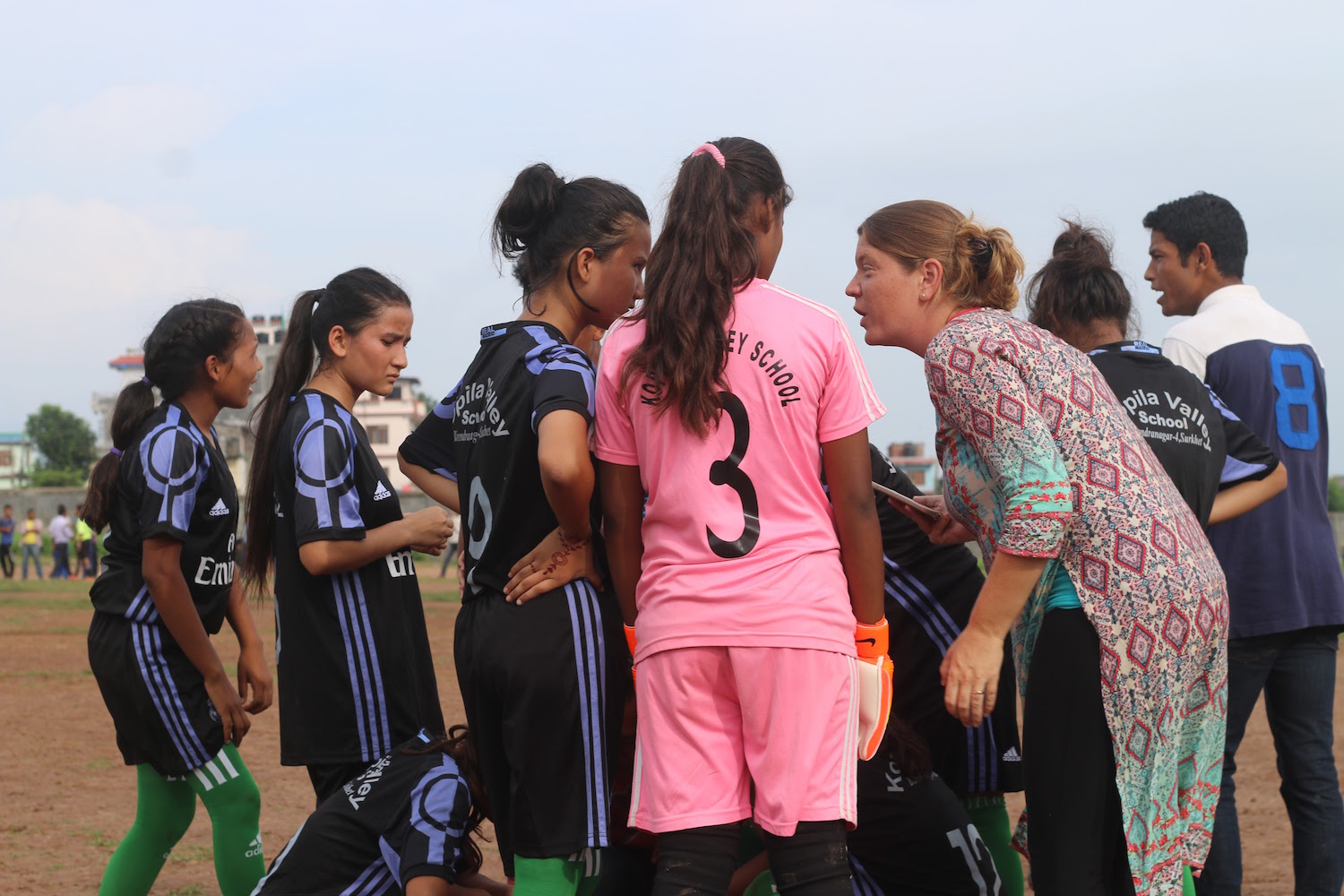
In many villages of Nepal, girls’ education is still limited. Poverty, traditional beliefs, early marriage, and household responsibilities often prevent girls from going to school. Families may prioritize boys’ education, believing that girls will eventually marry and leave the household. As a result, many girls drop out at an early age or never attend school at all.
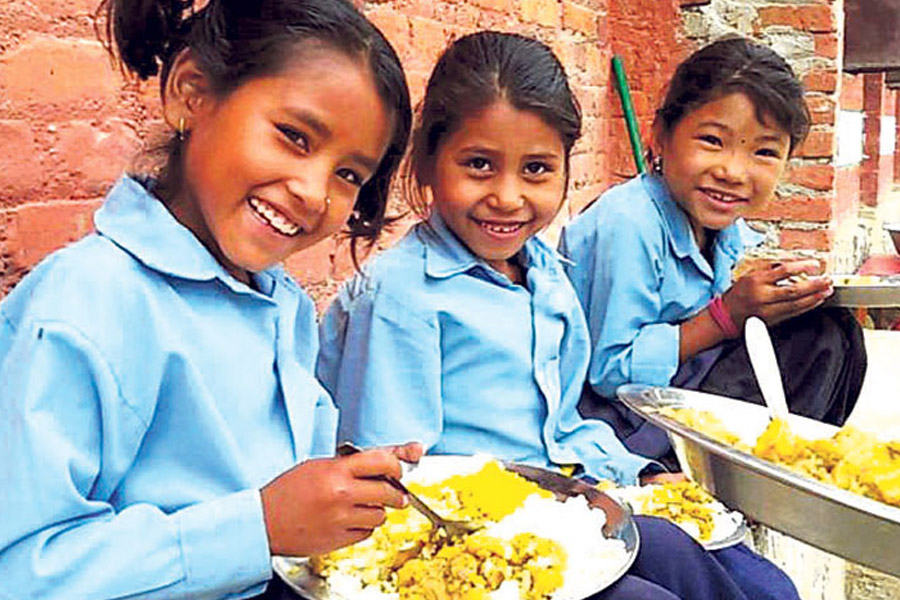
However, education plays a vital role in empowering girls. Educated girls are more likely to make informed decisions, earn a better income, and support their families. In recent years, the Nepali government and various non-governmental organizations (NGOs) have worked to improve access to education by providing free textbooks, scholarships, and school meals. These efforts have increased enrollment, but challenges such as long walking distances to schools and lack of sanitation facilities for girls still remain.
Health Challenges Faced by Girls
Health is another major concern in Nepal’s villages. Many rural areas lack proper healthcare facilities, trained medical staff, and awareness about hygiene and nutrition. Girls and women are especially affected due to limited access to reproductive health services and menstrual health education. Poor sanitation and cultural taboos surrounding menstruation often lead to health problems and school absenteeism.
Malnutrition is also common among girls, particularly during childhood and adolescence. This weakens their immune systems and affects physical and mental development. Improving healthcare services, spreading health education, and ensuring clean water and sanitation can greatly improve girls’ health and quality of life.
Food and Nutrition in Village Life
Food insecurity is a serious issue in many parts of rural Nepal. Most families depend on agriculture, but unpredictable weather, poor farming techniques, and limited resources often result in low crop yields. Girls are usually the last to eat in the household, which increases their risk of malnutrition.
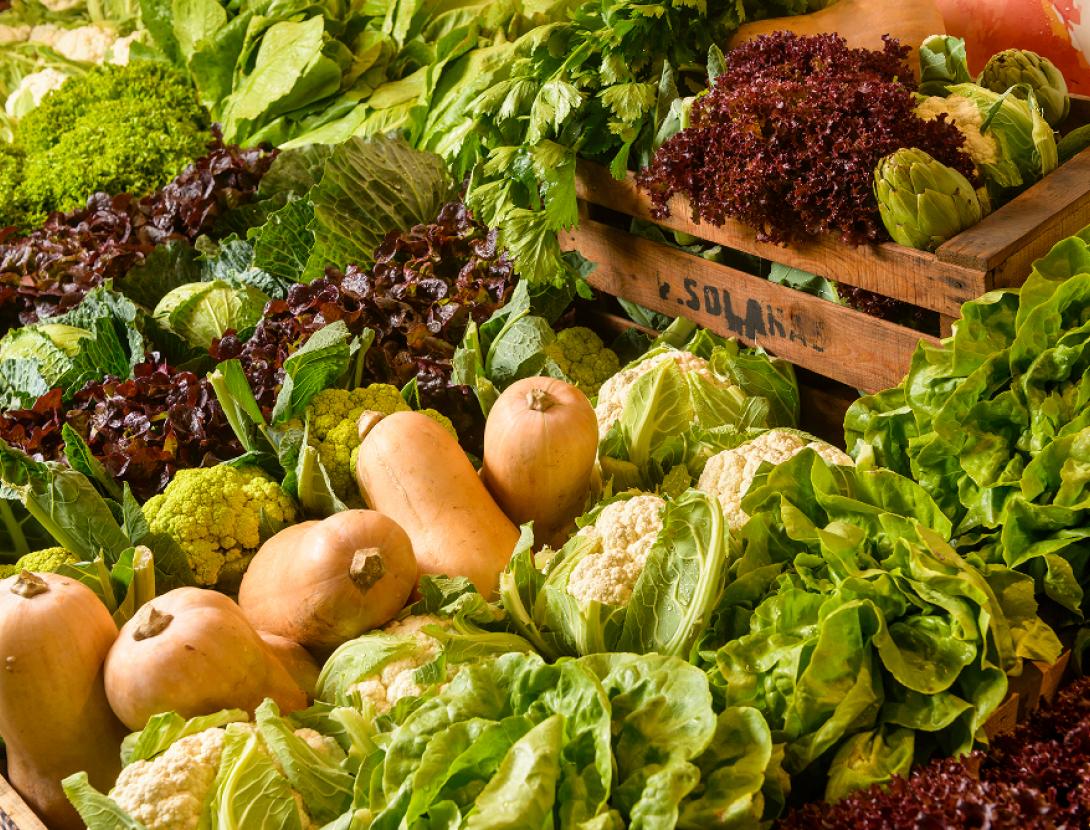
Proper nutrition is essential for girls’ growth, learning ability, and overall health. Programs that support sustainable farming, kitchen gardens, and nutrition education can help families provide balanced meals. School meal programs have also proven effective, as they encourage school attendance while improving children’s nutrition.
The Way Forward
Education, health, and food are deeply connected. When girls are educated, they are more likely to understand health practices and nutrition, leading to healthier families. When girls are healthy and well-nourished, they can attend school regularly and perform better. Therefore, a combined approach is essential.
Investing in girls in Nepal’s villages means investing in the nation’s future. Continued support from the government, communities, and organizations can help break the cycle of poverty and inequality. By ensuring access to education, healthcare, and nutritious food, Nepal can create stronger, healthier, and more empowered rural communities.